
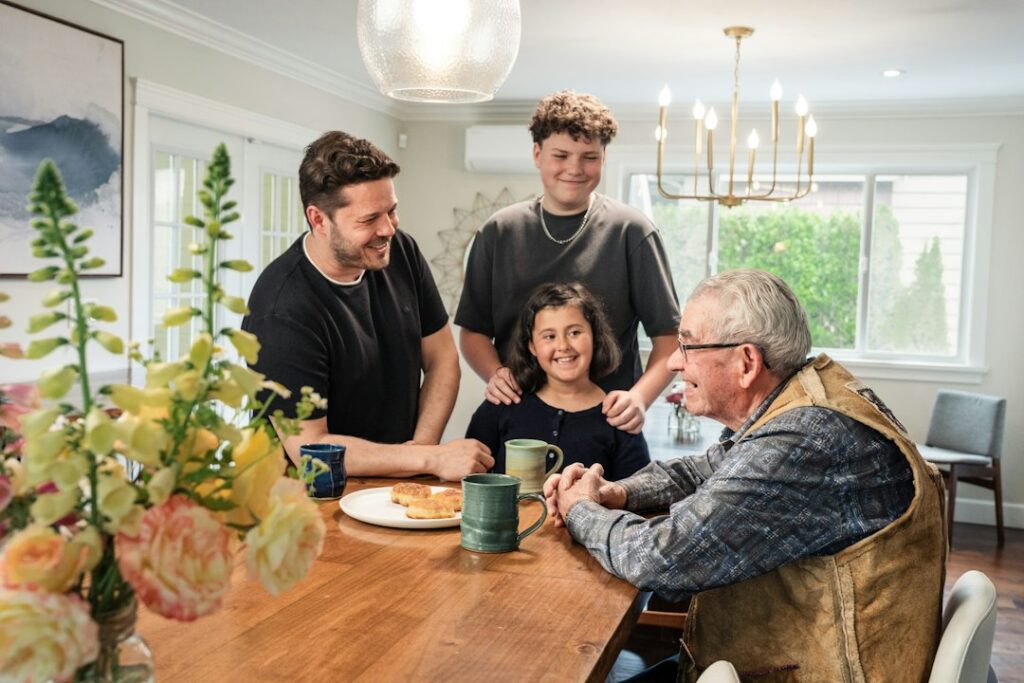
Talking with a parent, spouse, sibling, or other relative about assisted living can feel uncomfortable because the subject is connected to independence, health, money, and family roles. The conversation usually goes better when it is treated as a planning discussion rather than a decision that has already been made.
The goal is not to “win” an argument. It is to understand what has become difficult, what support may help, and what choices are available before a crisis forces the family to act quickly.
How do you know it is time to raise the subject?
There is no single sign that proves someone needs assisted living. Concern usually develops from a pattern of changes in safety, daily routines, health management, or social connection.
Examples may include:
- Repeated falls, near-falls, or difficulty using stairs
- Missed medications or confusion about prescriptions
- Spoiled food, unpaid bills, or unusual household disorganization
- Trouble bathing, dressing, toileting, or preparing meals
- Driving incidents or difficulty getting to appointments
- Increasing isolation, anxiety, or withdrawal
- Exhaustion among family members providing regular help
- A recent hospitalization or diagnosis that changes daily needs
A single incident does not automatically mean a move is necessary. However, repeated problems deserve a calm conversation. Waiting until a serious fall, emergency-room visit, or caregiver breakdown can leave fewer choices and less time to compare settings.
How should the first conversation begin?
Start with observations, not labels. Saying “You cannot live alone anymore” may sound threatening, even when the concern is genuine. A better opening describes what has been noticed and invites the person to share their view.
For example:
> “I have noticed that meals and medications have become harder to manage. How are things feeling from your perspective?”
Other useful openings include:
- “What parts of the day have become most difficult?”
- “What kind of help would make home life less stressful?”
- “What are you most worried might happen?”
- “Would you be willing to learn about a few different options, without making a decision today?”
The first discussion may not produce agreement. That is normal. The purpose is to create an honest starting point.
What concerns should family members expect?
Many older adults fear that assisted living means losing privacy, control, familiar belongings, or the ability to make everyday decisions. Some may also feel that accepting help is a personal failure.
Family members may worry about cost, distance, changing relationships, or whether a residence can safely meet a loved one’s needs. These concerns should be discussed directly rather than dismissed.
Helpful responses sound like:
- “Your preferences will be part of the decision.”
- “Learning about options does not mean you have to move.”
- “Let’s compare what support is available at home with what other settings provide.”
- “We can write down the questions instead of trying to solve everything today.”
Avoid arguing about whether a person is “independent.” Independence can mean different things. For one person, it may mean staying in a familiar home. For another, it may mean having help with bathing and meals so daily life feels safer and less exhausting.
What is assisted living in Pennsylvania?
In Pennsylvania, assisted living residences are residential settings that provide support with daily activities while generally serving people who do not need continuous skilled nursing care. Services may include meals, supervision, personal care, medication assistance, help with mobility, and support with other everyday tasks.
Pennsylvania also has personal care homes. The two types of settings can provide overlapping services, but assisted living residences may be designed to accommodate higher care needs and support residents in making more decisions and remaining in place as needs change.
Neither setting is the same as a nursing facility. A nursing facility provides a higher level of medical and nursing care for people whose needs cannot be safely met in a residential care setting.
Families should ask what a specific residence can provide, because services, staffing, apartment layouts, policies, and care limits vary. A name on a brochure is not enough to determine whether a setting is appropriate.
How can families keep the conversation practical?
Create a simple list of current needs before discussing specific residences. Separate needs from preferences.
Current needs might include:
- Assistance with bathing or dressing
- Medication reminders or administration
- Help transferring from a bed or chair
- Meal preparation and regular nutrition
- Transportation or appointment coordination
- Memory support and supervision
- Assistance during emergencies
- Access to outdoor areas or social activities

Preferences may include a private room, familiar furniture, a quiet setting, pet policies, religious or cultural routines, visitor access, or proximity to family. Both categories matter, but safety and care requirements should be identified first.
It can also help to track daily difficulties for one or two weeks. A written record may reveal patterns that are easy to overlook, such as increasing trouble in the evening, missed meals, or fatigue after basic household tasks.
What should the family ask before considering a move?
Before touring or comparing settings, ask what level of care is needed now and what may be needed later. A residence may accept someone initially but have limits if mobility, memory, or medical needs increase.
Important questions include:
- What personal care services are included?
- Which services cost extra?
- How are medications handled?
- Is staff available overnight and during emergencies?
- How does the residence respond to falls or changes in behavior?
- What happens if the resident needs more care?
- Can outside health services enter the residence?
- What are the rules about meals, visitors, pets, transportation, and personal furnishings?
- How are care plans reviewed and updated?
- What is the complete monthly cost, including deposits, supplies, and added care?
In Pennsylvania, personal care homes and assisted living residences must be licensed, but licensing does not mean every residence is suitable for every person. Families should review the license status, ask to see written policies, and pay attention to how staff speak with current residents.
How do Bangor households need to plan for local conditions?
Seasonal conditions can affect care decisions in Bangor. Winter snow, ice, freezing temperatures, and shorter daylight hours may make driving, walking, outdoor maintenance, and emergency transportation more difficult. A person who manages adequately during mild weather may need more support during winter.
Housing patterns also matter. A detached home with stairs, long walkways, or a large property may become difficult to maintain even when the interior remains familiar and comfortable. Families should consider whether home repairs, snow removal, transportation, and grocery access are adding pressure.
Distance is another practical issue. A setting that is technically nearby may still be difficult for relatives to visit regularly if work schedules, road conditions, or caregiving responsibilities create barriers. A realistic visitation plan is more useful than choosing a location based only on mileage.
What if the family cannot agree?
Disagreement often reflects different information, not a lack of concern. One relative may see the daily problems, while another mainly sees the person during short visits when everything appears fine.
Keep discussions focused on specific observations and documented needs. Avoid assigning blame or bringing old family conflicts into the decision. If safety is disputed, ask the person’s physician, care team, or another qualified professional to help explain the level of support required.
If someone is in immediate danger because of a fall, medical emergency, abuse, neglect, or inability to obtain food or essential medication, safety takes priority over waiting for complete family agreement. Otherwise, families generally have more room to proceed gradually: talk, gather information, compare options, and revisit the conversation.
Assisted living should not be presented as a punishment or as proof that someone has failed. A respectful discussion recognizes both the person’s abilities and the areas where additional support could make daily life safer, more manageable, and less stressful for everyone involved.
